
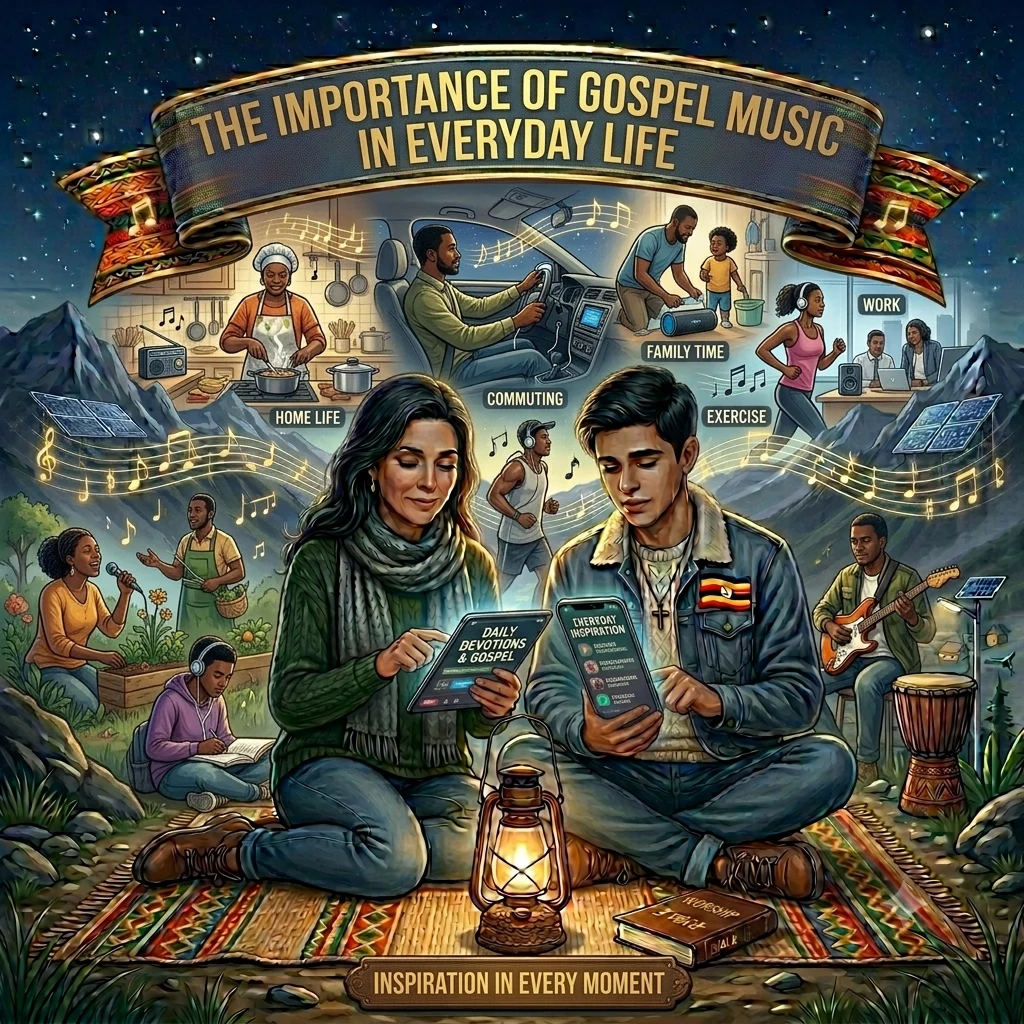
Gospel music has been a powerful part of Christian life for many years. It is more than just music — it carries a message of faith, hope, and encouragement. But why is gospel music so important? In this article, you’ll discover the meaning, purpose, and importance of gospel music in everyday life.
Gospel music has been woven into the fabric of Christian life for centuries. From the ancient hymns of the early church to the contemporary worship anthems filling stadiums around the world today, gospel music has always been more than entertainment — it is a carrier of truth, a vehicle of healing, a bridge between the human heart and the divine presence.
But in an age of endless musical options and increasingly distracted lives, it is worth pausing to ask the question seriously: why does gospel music matter? What makes it more than just a genre? Why do millions of people around the world — across cultures, languages, and life circumstances — continue to turn to gospel music not just on Sunday mornings but in the most intimate, difficult, and defining moments of their lives?
Here are seven powerful reasons why gospel music remains one of the most important and impactful forces in the everyday lives of believers.
1. It Spreads the Message of Faith
At its core, gospel music is a proclamation. Every song is a sermon set to melody — a declaration of biblical truth made accessible, memorable, and emotionally resonant in a way that spoken words alone often cannot achieve.
Throughout history, music has been one of humanity's most powerful tools for communicating and preserving important truths. Gospel music harnesses that power entirely in the service of the most important message ever proclaimed — the reality of God's love, the truth of His Word, and the hope of His promises.
A well-crafted gospel song can communicate a profound biblical truth to someone who has never opened a Bible, comfort a grieving heart with a theological reality they could not have articulated themselves, and plant seeds of faith in soil that formal preaching might never reach. Gospel music makes the message of faith not just understandable but unforgettable — embedding truth in the heart through the unique combination of melody, rhythm, and lyric that only music can achieve.
2. It Encourages and Uplifts People
Life is hard. Seasons of disappointment, loss, failure, and uncertainty are not the exception to the human experience — they are part of it. In those seasons, people need encouragement that goes deeper than positive thinking and comfort that outlasts a motivational speech. They need something that speaks to the soul.
Gospel music does exactly that. It meets people in their pain without minimizing it, and points them toward hope without pretending the difficulty does not exist. A single song — heard at the right moment, carrying the right message — has the power to shift a person's entire emotional and spiritual state. It can transform despair into hope, isolation into the awareness of God's presence, and the desire to give up into the strength to keep going.
This is not exaggeration. Countless believers around the world can point to a specific gospel song that carried them through the darkest season of their lives. That is the power of music that is genuinely anointed — and it is a power that gospel music carries in abundance.
3. It Influences the Mind Positively
What we consistently listen to shapes how we think — and how we think determines how we live. This is not merely a spiritual observation; it is a psychological reality confirmed by decades of research into the relationship between music and the human mind.
Gospel music, at its best, is one of the most consistently positive and constructive influences a person can invite into their daily listening life. It promotes a mindset of faith over fear, gratitude over complaint, hope over despair, and trust over anxiety. It replaces the negative mental narratives that daily life so easily generates with the counter-narratives of Scripture — truths about God's goodness, His faithfulness, and His sovereign care over every detail of our lives.
Making gospel music a regular part of your daily environment is not just a spiritual discipline — it is an investment in your mental and emotional health. A mind consistently fed on gospel music is a mind better equipped to navigate the challenges of life with resilience, positivity, and peace.
4. It Enhances Worship and Prayer
There is a reason that music has been central to corporate and personal worship throughout the entire history of the Christian faith. Music does something in the human heart that spoken words and silent prayer alone cannot fully replicate — it engages the whole person, body and soul, in the act of worship.
Gospel music creates a spiritual atmosphere that makes genuine encounter with God more accessible. It quiets the restless mind, softens the hardened heart, and creates a space of focused, intentional attention on God that busy, distracted people desperately need. Many believers find that their most profound moments of prayer and personal worship happen not in silence but in the presence of deeply anointed gospel music that opens their hearts and prepares them to receive from God.
When gospel music is woven into your prayer and worship life, worship becomes not just something you do — it becomes something you experience.
5. It Brings People Together
One of the most beautiful and underappreciated dimensions of gospel music is its extraordinary power to build community. Shared music creates shared experience — and shared experience creates connection, belonging, and solidarity in ways that few other human activities can replicate.
In church services, gospel music unites congregations of people from vastly different backgrounds, personalities, and life circumstances in a single shared act of worship. In gospel concerts and community events, it brings thousands of people together in a celebration of shared faith that transcends the divisions that so easily fracture human communities. In homes and families, it creates a shared spiritual soundtrack that binds generations together and passes faith from parent to child.
Gospel music does not just connect people to God — it connects people to each other. And in a world that is increasingly fragmented, isolated, and divided, that connecting power is more valuable than ever.
6. It Provides Strength in Difficult Times
When life becomes overwhelming — when the weight of circumstances exceeds what a person feels they can carry — gospel music has a unique capacity to provide the kind of strength that does not come from within but from above.
A gospel song that declares the faithfulness of God in the midst of difficulty is not just emotionally comforting — it is spiritually fortifying. It reminds the listener of truths that fear and pain can cause us to temporarily forget: that God is still in control, that He has not abandoned us, that His promises remain unbroken, and that the strength we need for whatever we are facing is available to us through faith.
Throughout history, gospel music has been the companion of believers in their most desperate moments — in hospital waiting rooms, in seasons of grief, in periods of financial crisis, in the darkness of depression. It has carried people through situations that by every human measure should have broken them. That is not the power of music alone — it is the power of God's truth carried on the wings of music into the hearts of people who desperately need it.
7. It Inspires a Better Way of Living
Gospel music does not just affect how we feel — it shapes how we live. Music that is consistently grounded in biblical values, that celebrates faith, integrity, love, and purpose, gradually influences the listener's own values, choices, and lifestyle in ways that extend far beyond the moments of listening.
Regular engagement with gospel music that promotes godly living, encourages moral integrity, and celebrates the beauty of a life lived in alignment with God's Word is one of the most subtle yet powerful forms of spiritual formation available to a believer. It shapes character, reinforces values, and inspires the kind of purposeful, disciplined, and meaningful living that the Christian faith calls us to.
Gospel music does not just tell us what to believe — it shows us, song by song and lyric by lyric, what a life shaped by that belief looks like in practice.
Final Thoughts
Gospel music matters — deeply, profoundly, and in ways that extend far beyond the boundaries of Sunday morning worship services or gospel concert venues. It spreads the message of faith to hearts that need it, encourages souls that are struggling, shapes minds that are vulnerable to negativity, enhances worship that might otherwise remain shallow, unites communities that would otherwise remain fragmented, provides strength that human resources alone cannot supply, and inspires a quality of living that reflects the values of the Kingdom of God.
Gospel music is not just heard. It is felt, internalized, and lived — woven into the daily experience of millions of believers around the world who have discovered that a life accompanied by the right music is a life more fully alive to God, to others, and to the extraordinary potential of faith.